
The Great Migration is an annual journey of over a million wildebeest, zebras, and gazelles. This epic trek is the largest mammal migration on Earth and is driven by seasonal rainfall. The herds leave the Southern Serengeti (Tanzania) in May and migrate North to the Masai Mara in Kenya, from where they return South in September. Along the way, they face dramatic river crossings and constant danger from predators like lions and crocodiles.
We started in the Southern Serengeti in July to see lions, leopards, and cheetahs before moving north toward the Mara River to witness the famous river crossings. Finally, we crossed Mara river and border to Kenya ourselves, just as the herds were arriving in the Masai Mara in late July.
With this article, we would like to share some of our experiences, along with a 4-minute video summary of the migration that includes river crossings and crocodile attacks. The sections below cover wildlife and birds, as well as travel tips and updates about the impact of a broken bridge.
Wildlife Sightigs And Bird Biodiversity
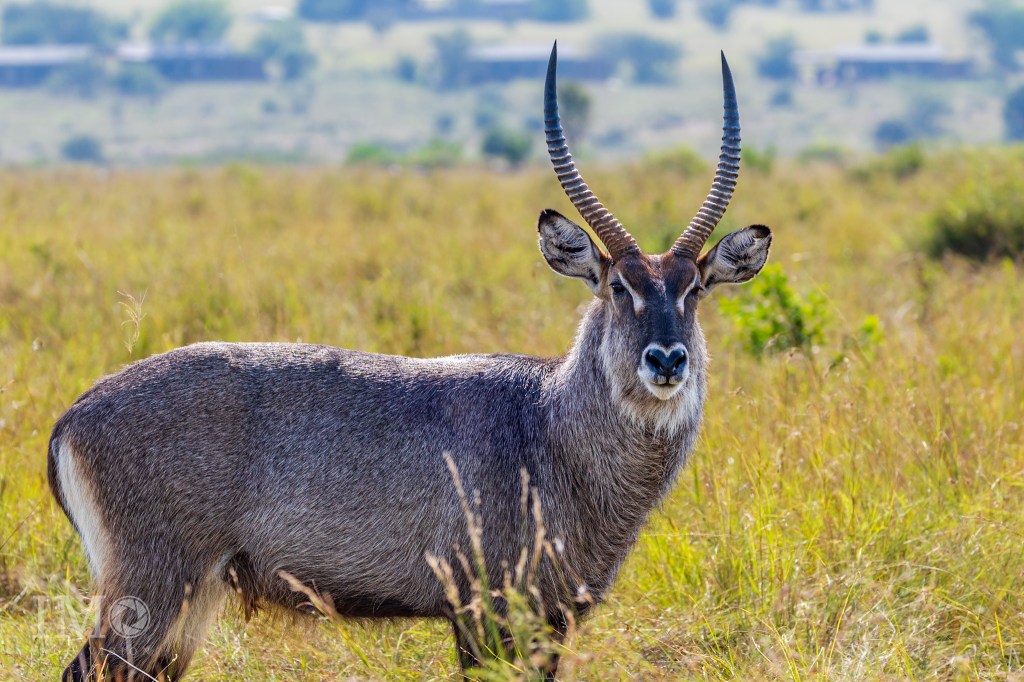
The Serengeti is a fantastic place to see predators like lions, leopards, and cheetahs, but also all the classic “safari animals” such as zebras, giraffes, elephants, warthogs, hippos, and various types of gazelles.
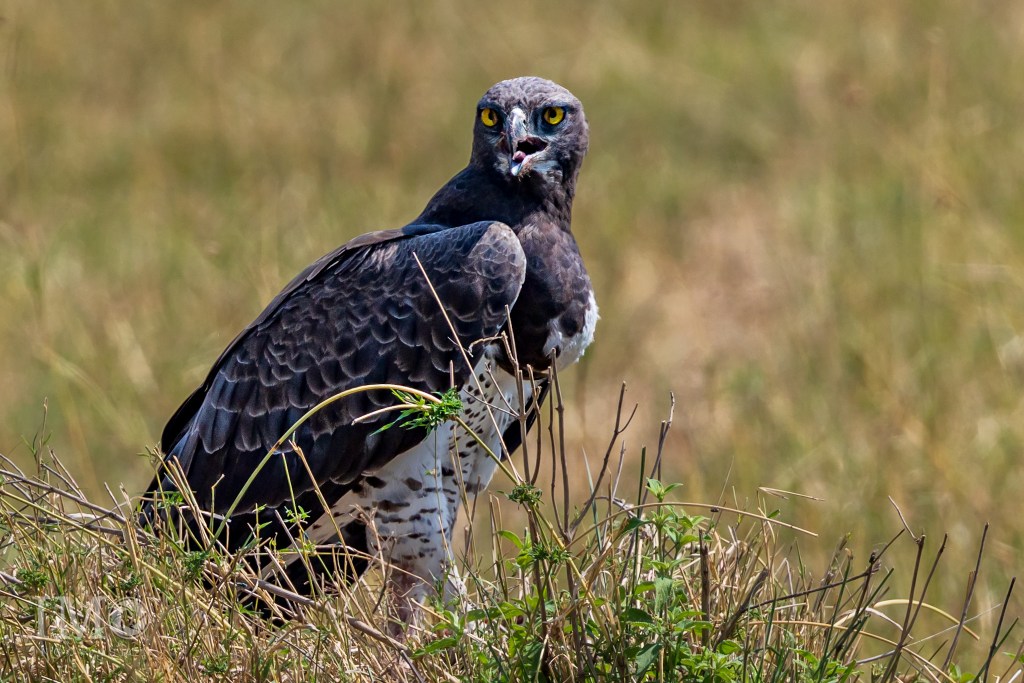
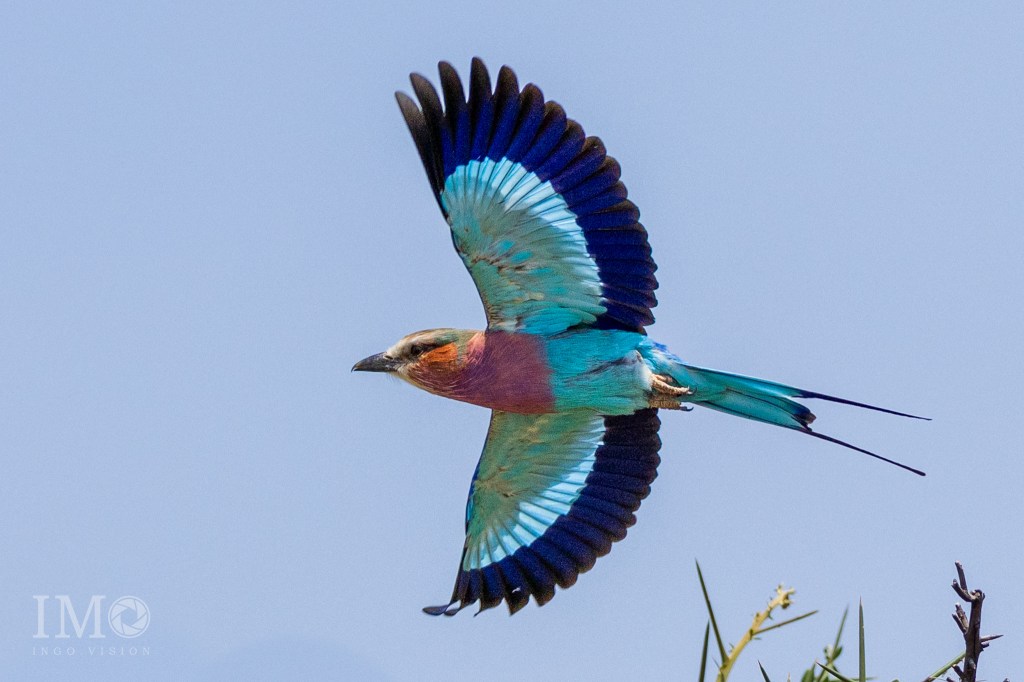
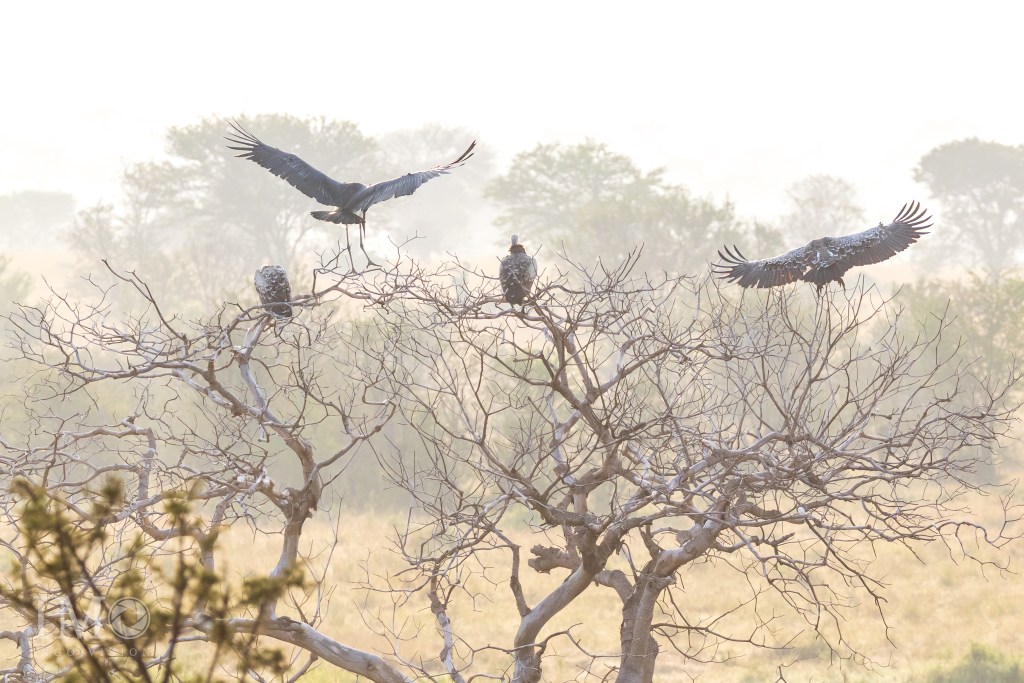
What is sometimes overlooked is the incredible birdlife. Tanzania’s national parks are home to an impressive diversity of birds—from colorful species like the Lilac-breasted Roller and Fischer’s Lovebird to large raptors such as eagles and several species of vultures.




Many Jeeps, Bridge Closed
The wildebeest migration has long attracted a “migration of tourists,” especially during the popular July/August holiday season. This year, however, the situation along the Mara River (in Tanzania) became more difficult due to a broken bridge.
Normally, safari vehicles can use both sides of the river. The bridge helps reduce congestion and allows visitors to view crossings from different angles. But with the bridge closed, the number of jeeps on the southern side of the river doubled, and most crossings could only be seen from the “tail-crossing” direction.
The high density of vehicles caused problems for the animals, for guides, and for guests. On social media, complaints about “blocked crossings” circulated widely. Fortunately, we did not encounter that problem ourselves, though rangers were very busy disciplining drivers under heavy pressure from guests demanding to see a crossing.
We were lucky to have 2.5 full days at the Mara River, so we felt less pressure. Still, in our opinion, the authorities should repair the bridge as soon as possible—or alternatively, consider introducing a substantial daily fee to limit the number of jeeps in this sensitive area.
Hints For Travel Planning
Most visitors who don’t fly into one of Serengeti’s three airstrips usually start their trip at Kilimanjaro Airport near Arusha. From there:
Tarangire National Park is only 3 hours away and always worth a visit.
About 3 hours west of Tarangire lies Ngorongoro Crater, one of the most spectacular safari destinations in Africa, and a natural stop on the way to the Serengeti.
Driving straight from Kilimanjaro Airport to the Serengeti is not advisable, as the distance is too great. It’s common to spend at least 1–2 nights en route, visiting one of these parks before entering the Serengeti – the “endless plains” (the meaning of Serengeti in the Maasai language).
Once inside the park, it’s worth staying at least 2 nights in the southern or central Serengeti before heading north to the Mara River. The park is vast and rewarding everywhere. Even from the southern gate to the Mara River, the drive still takes about 5 hours, which makes a stopover worthwhile.
Tanzania-Kenia Transfer By Car
Another option, used by a smaller number of travelers, is to combine the Serengeti with its northern continuation, the Masai Mara in Kenya. It is possible to cross the border by car, but there is only one checkpoint available – Isebania, located about 3.5 hours west of the popular Mara River safari areas.
Driving all the way to the Masai Mara takes about 7 hours (3.5 + 3.5), even though the two parks are geographically close, as there is no direct road or checkpoint in between. The journey has recently become about 1 hour shorter thanks to the opening of the Machochwe Gate, previously used only by rangers but now open to tourists since 2025.
Isebania is a “one-stop” checkpoint, with the Tanzanian and Kenyan immigration counters located side by side in the same building.
Booking Advice
If you plan to visit the Mara River area during peak season in July, it is essential to book accommodation well in advance—ideally more than a year ahead.
We stayed at Mara Kati Kati Tented Camp, recommended by our experienced guide (Leodigard Sumawe). It turned out to be an excellent choice: close to the river, surrounded by abundant wildlife, and offering unforgettable sunsets around the campfire—some of which you can see in our video above.
 Ingo Moench Photography